Rebranding of 60th Mechanized Brigade
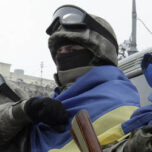
The 60th Mechanized Brigade “Inhulets” has undergone a significant transformation over the past few months. In July 2025, the brigade was incorporated into the newly formed 3rd Army Corps, formed on the basis of the 3rd Assault Brigade. This integration marked the beginning of a promising and comprehensive reform process.
These reforms have affected the brigade’s leadership, combat structure, insignia, and institutional standards, aligning it more closely with the doctrine, training practices, and organizational culture of the 3rd Army Corps.
Leadership Changes
In October 2025, Major Dmytro Rohoziuk assumed command of the brigade, a direct appointment made by the commander of the 3rd Army Corps, Andriy Biletsky. At the same time, Major Volodymyr Fokin, also sourced from the 1st Assault Battalion of the 3rd Assault Brigade, took command of the 125th Heavy Mechanized Brigade, another formation within the corps.

Both commanders acted quickly, initiating reforms by integrating experienced personnel from the line battalions of the 3rd Assault Brigade. This was intended to elevate training standards, improve cohesion, and accelerate the brigade’s transition into a more capable and standardized combat formation.
These efforts by both commanders are currently ongoing, with both already producing significant improvements in the brigade’s training and combat readiness.
Structural Reorganization
Reformation of Legacy Units
Following its integration into the corps, the brigade entered a transitional phase marked by restructuring, personnel redistribution, and the gradual dissolution of legacy units.
This process included the disbandment of several units temporarily under the brigade’s command, notably the 16th, 19th, and 37th Rifle Battalions, likely occurring between late 2024 and early 2026 as part of preparations for unit linearization and broader Corps–Brigade reforms.
In December 2024, it was confirmed that the 37th Rifle Battalion had, in fact, been reformed as the 2nd Rifle Battalion of the brigade, as indicated through Missing in Action reports. Personnel from the remaining battalions were likely redistributed across the brigade’s maneuver units, improving manning levels while reducing strain on the command structure.
Consolidation and Further Reforms
As reforms have progressed, the transitional structure has given way to a more standardized organization. The brigade’s core combat elements now consist of the 1st, 2nd, and 3rd Mechanized Battalions, and a Motorized Battalion. For the time being, no linear Rifle Battalion appears to be formed, likely to maximize the manning of the brigade’s maneuver units.
Additionally, other support elements, such as the Fatum Drone Unit from the Anti-Tank Battalion of the 3rd Assault Brigade was integrated into the brigade in September 2025 and expanded to an Unmanned Systems Battalion.
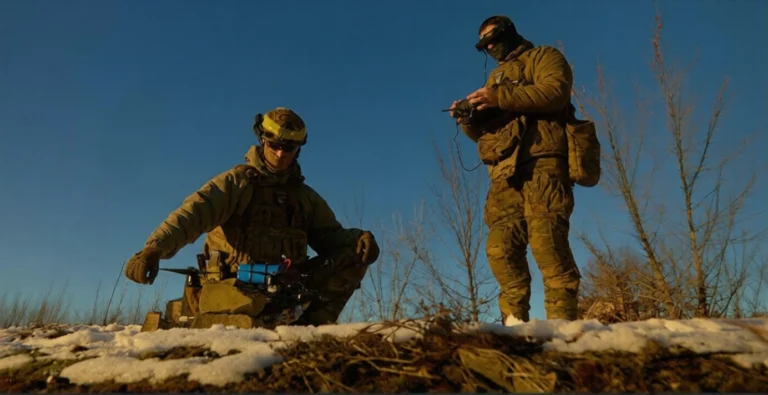
Transformations to the Reconnaissance Company and the Anti-Air Defense Battalion have also been made. All of these units have consolidated existing, newly mobilized, and transferred personnel to help bring them up to standards in line with what is expected by the 3rd Army Corps leadership.
The 3rd Mechanized Battalion of the brigade has also been one of the major turnarounds within the unit, seeing a remarkable transformation. Originally formed on the basis of the 97th Mechanized Battalion, the unit retained its core combat experience while transitioning into the brigade.
Currently, the brigade is formed on the basis of a combination of motivated personnel from the 60th Mechanized Brigade, experienced soldiers and non-commissioned officers from the 3rd Assault Brigade, and specialists brought in from the Ukrainian Intelligence Directorate and Security Bureau.
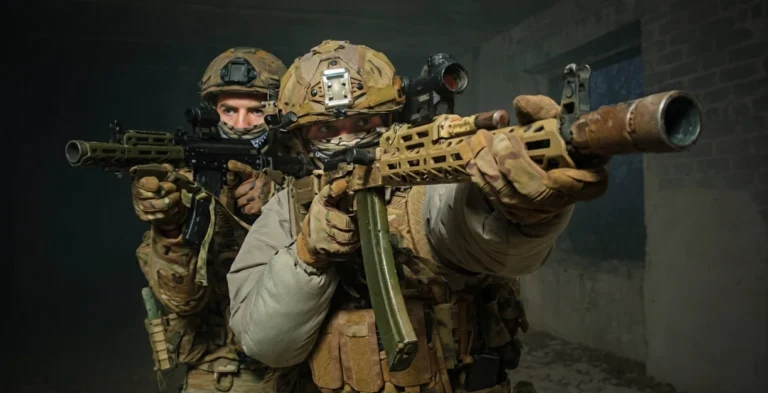
Recruitment efforts have also expanded, including the active enlistment of foreign volunteers. The 2nd Mechanized Battalion has previously hosted a notable number of foreign personnel, as evidenced in interviews with its servicemen.
The brigade has also sought to recruit experienced soldiers from disbanding International Legion units, particularly the 1st International Legion, targeting drone operators and infantry to strengthen its combat core. It has also incorporated servicemen from the German Volunteer Corps, formerly part of the 5th Sotnya of the 49th Assault Battalion with these fighters having extensive combat experience alongside popular formations such as the Russian Volunteer Corps.
Not all are however in favor of these changes. Part of the 97th Mechanized Battalion, which was formed on the basis of Azov-Kharkiv Detachment, has left the unit and formed 442nd Unmanned Systems Battalion under the Ukrainian Territorial Defense Forces.
New Insignias
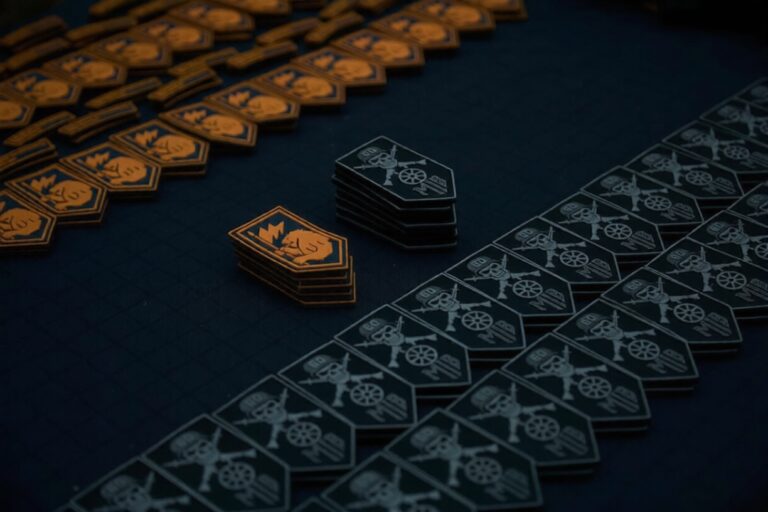
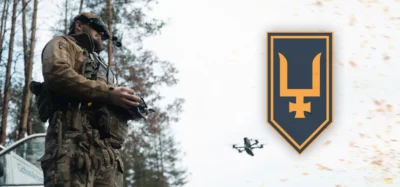
Since the brigade’s integration into the 3rd Army Corps, the brigade and its maneuver units have adopted new insignia aligned with those of the 3rd Assault Brigade, an identity change that has been part of broader standardization within the corps. Since November 2025, the brigade has slowly standardized the new pointed chevrons, with the official brigade chevron changing in January 2026.
The Future and Beyond
Undoubtedly, the Inhulets Brigade has a promising future. Its rapid transformation, which has been mirrored by the 125th Heavy Mechanized Brigade, demonstrates the innovation and extensive history that officers and personnel from the former 3rd Assault Brigade have.
The modernization of training, reform, and integration of experienced personnel to help bolster the effectiveness of these brigade have already begun to shape it into a more combat-capable formation. As these changes continue to take place, the brigade is well on track to stand out within the 3rd Army Corps as a modern, effective, and increasingly professional fighting force alongside its other units.
If you enjoy this content, the best way to support our site is by sharing it and following us on X, Bluesky and Facebook.
Related posts
Our community
Mentioned Units


Support us