




Recent News
Current Structure
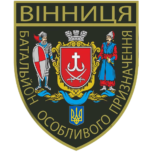
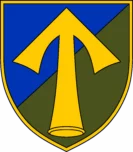
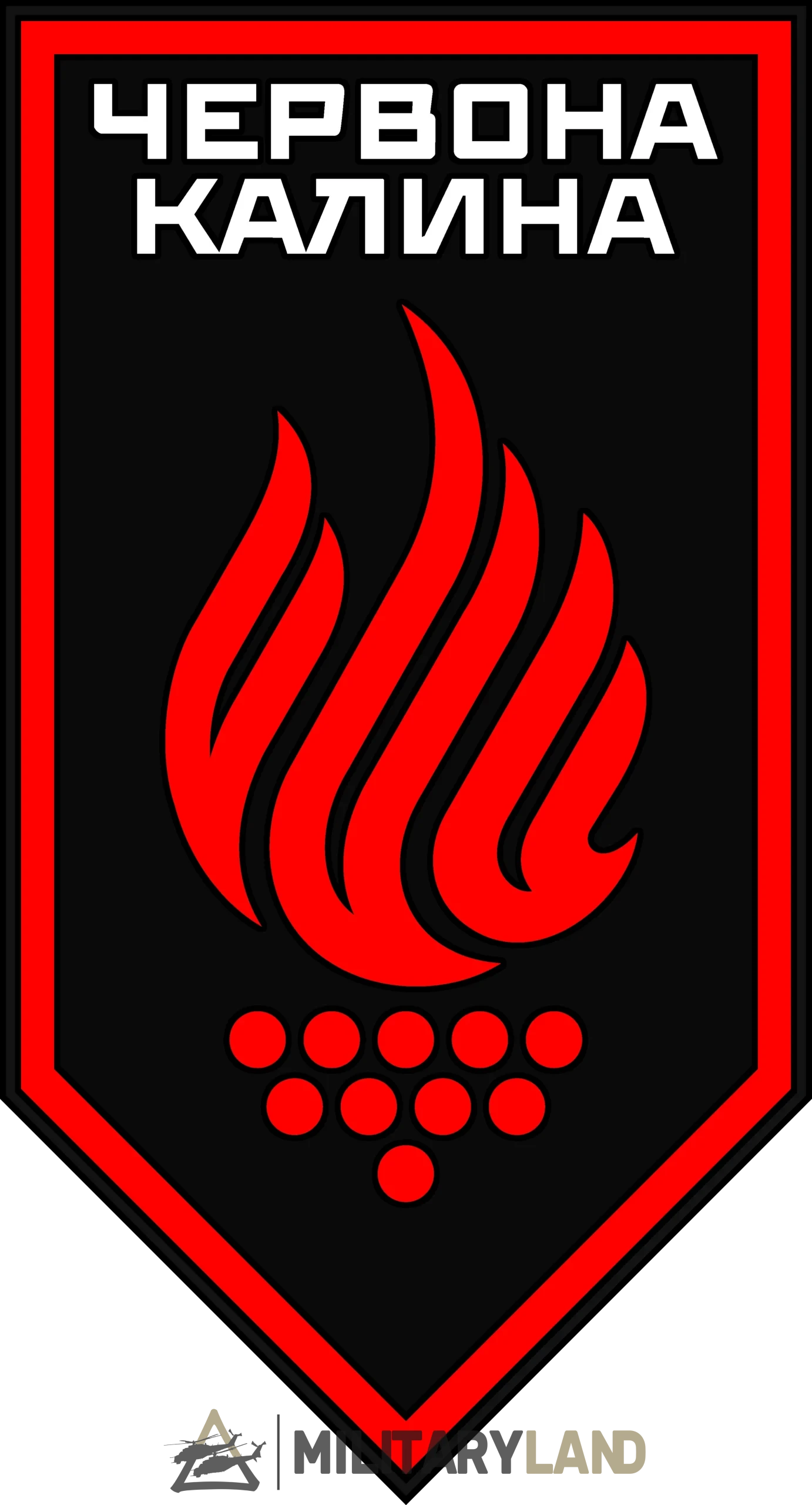
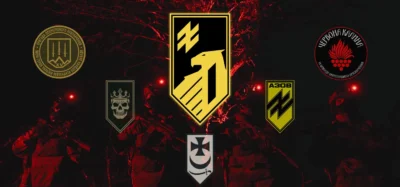
Here you can find the last known structure of the unit, including their insignia if available.


1st Operational Battalion “Yahuar”
The first linear Operational Battalion of Assignment of the Brigade. It bears the nickname “Yahuar”.


2nd Operational Battalion “Feniks”
The second linear Operational Battalion of Assignment of the Brigade. It bears the nickname “Feniks”.

Mortar Battery
The Mortar Battery of the Battalion.

3rd Operational Battalion “Tyhr”
The third linear Operational Battalion of Assignment of the Brigade. It bears the nickname “Tyhr”.
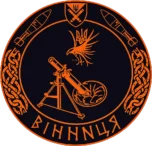
Mortar Battery “Vinnytsia”
The Mortar Battery of the Battalion. It bears the nickname “Vinnytsia”.

5th Operational Battalion “Pravytsia Sirka”
The fifth linear Operational Battalion of Assignment of the Brigade. It bears the nickname “Pravytsia Sirka”

Tank Company “Vovcha Zhraya”
The Tank Company of the Brigade. It bears the nickname “Vovcha Zhraya”.
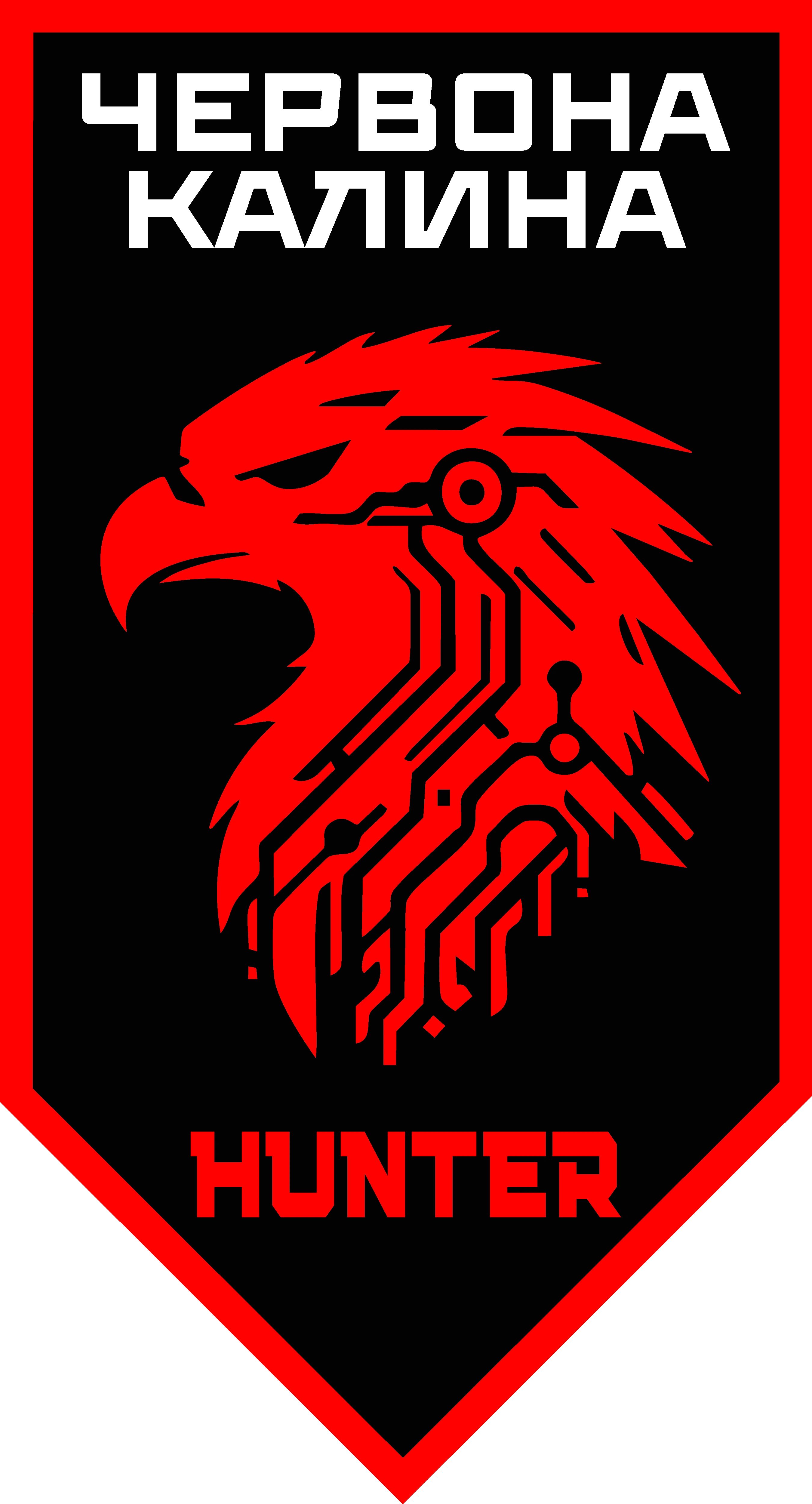
Unmanned Systems Battalion “Hunter”
The Unmanned Systems Battalion of the Brigade, formerly known as “Starfall”. It bears the nickname “Hunter”.

Unmanned Ground Vehicles Company “Gubernator Group”
The Unmanned Ground Vehicles Company of the Battalion. It bears the nickname “Gubernator Group”.

Special Purpose Reconnaissance Company “Abwehr”
The Special Purpose Reconnaissance Company of the Brigade. It bears the nickname “Abwehr”.

Artillery Battalion “Kanon”
The Artillery Battalion of the Brigade. It bears the nickname “Kanon”.
Artillery Battery “Katran”
The Artillery Battery of the Brigade. It bears the nickname “Katran”.
Anti-Aircraft Defense Battalion
The Anti-Aircraft Defense Battalion of the Brigade.

Anti-Aircraft Drone Interceptor Battery “Harpun”
The Anti-Aircraft Drone Interceptor Battery of the Brigade. It bears the nickname “Harpun”.


Anti-Tank Company
The Anti-Tank Company of the Brigade.
Electronic Warfare Company
The Electronic Warfare Company of the Brigade.
Automobile Repair Battalion
The Automobile
Repair Battalion of the Brigade.

Support Battalion
The Support Battalion of the Brigade.

Signals Company
The Signals Company of the Brigade.

Medical Company
The Medical Company of the Brigade.

Khorunzha Service
The Khorunzha Service of the Brigade. It serves as a symbolic and ceremonial unit.
Civil-Military Cooperation
The Civil-Military Cooperation Unit of the Brigade.
Former Units

Unmanned Systems Battalion “Starfall”
The Unmanned Systems Battalion of the Brigade. It bears the nickname “Starfall”. In November 2025, it was reorganized under the new name of “Hunter”.


Artillery Battalion
The Artillery Battalion of the Brigade. In 2026, its personnel were reassigned across the brigade and the 1st Azov Corps.

Self-Propelled Artillery Battalion “Kartaun”
The Self-Propelled Artillery Battalion of the Brigade. It bears the nickname “Kartaun”. In 2026, its personnel were reassigned across the brigade and the 1st Azov Corps.

Aerial Reconnaissance Company
The Aerial Reconnaissance Company of the Battalion.
Equipment
Here, you can view the complete list of the unit’s equipment. All images of the vehicles and weapons below are sourced from the official social pages.

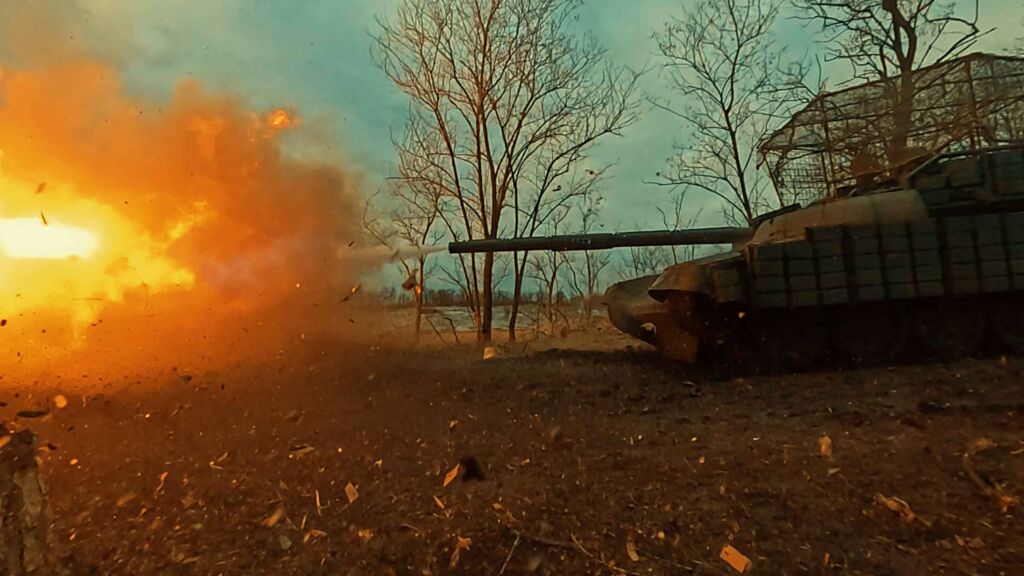
T-80BV
Main Battle Tank
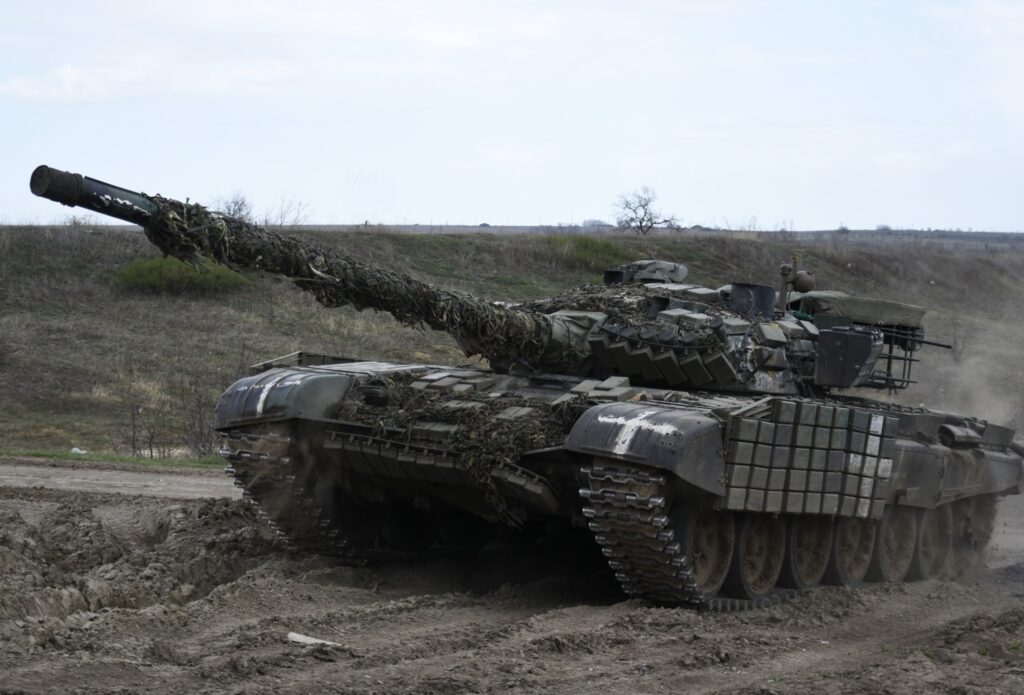

T-72M1
Main Battle Tank
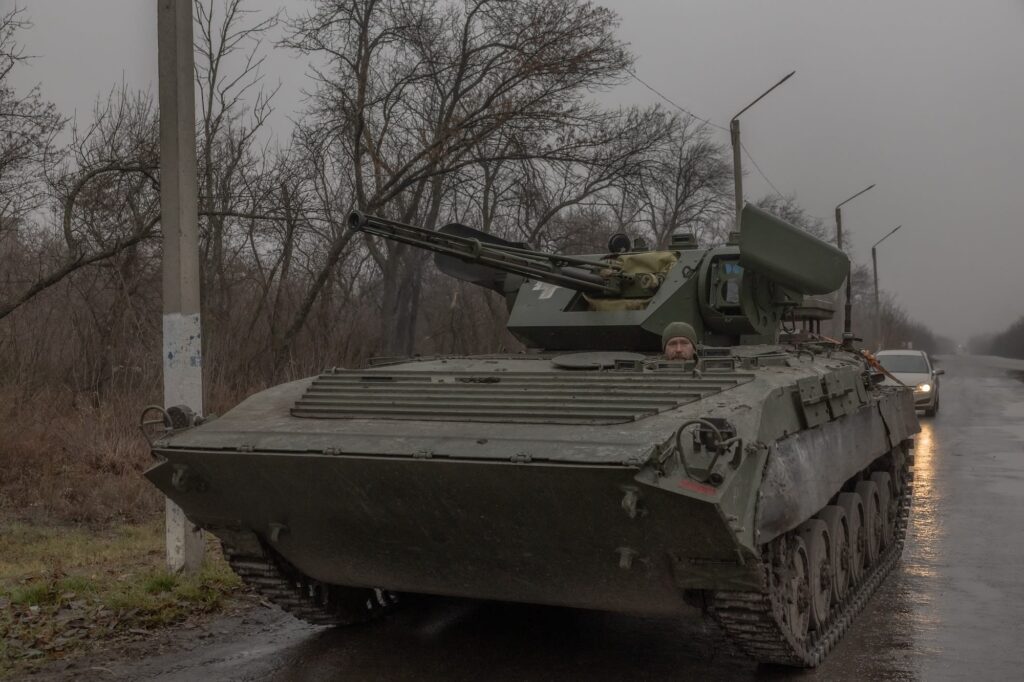

BMP-1TS Spys
Infantry Fighting Vehicle
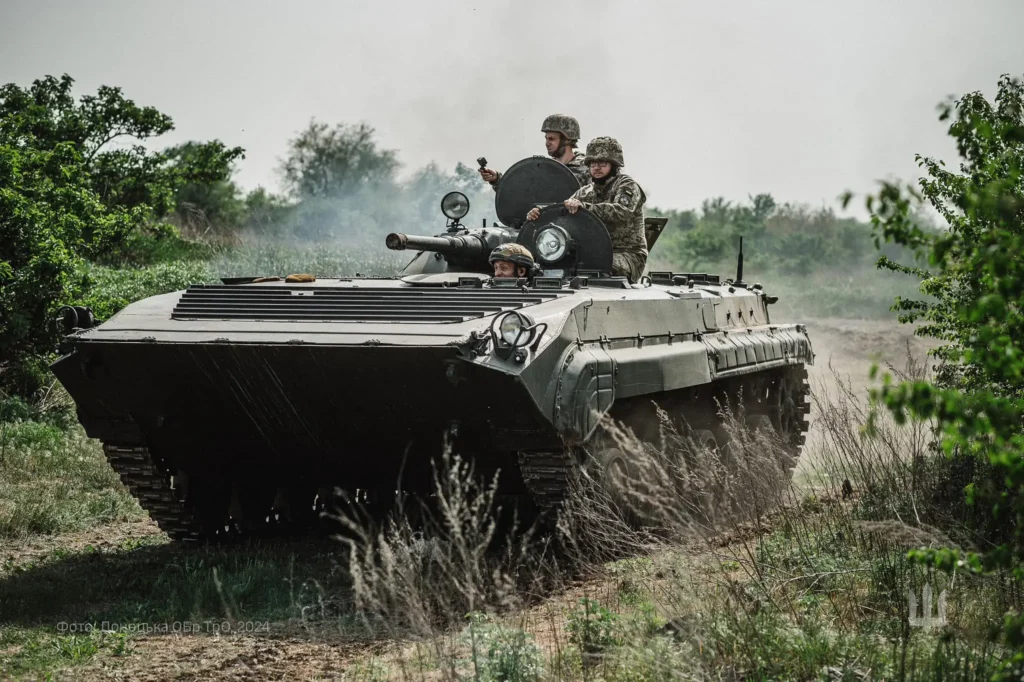
BMP-1
Infantry Fighting Vehicle

BTR-3
Armoured Personnel Carrier

BTR-4
Armoured Personnel Carrier

BTR-70
Armoured Personnel Carrier

BTR-60
Armoured Personnel Carrier
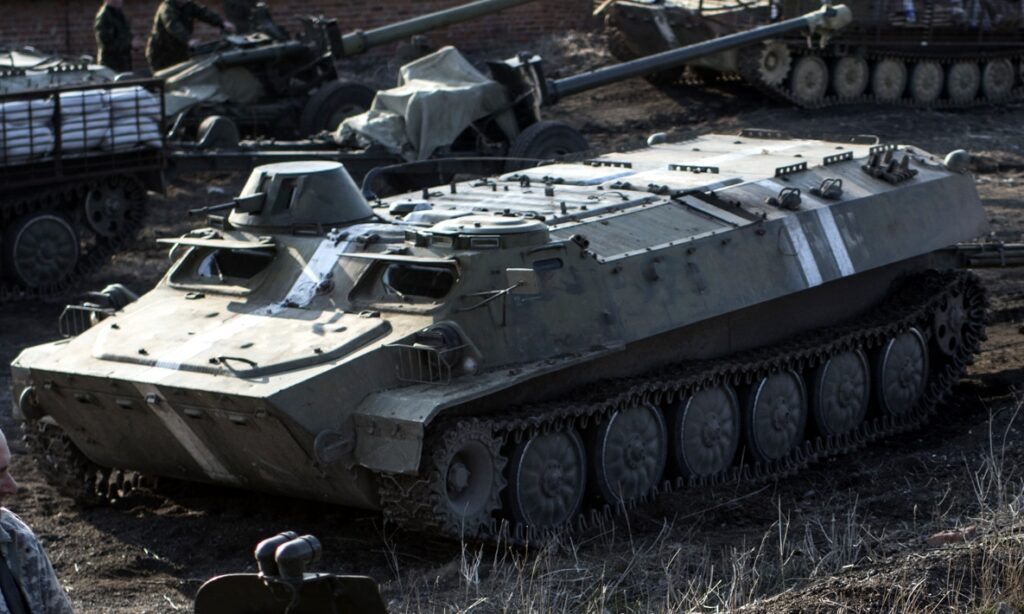
MT-LB
Armoured Personnel Carrier

Varta
Light Armored Vehicle

Roshel Senator MRAP
MRAP

Kraz Cobra
Light Armored Vehicle

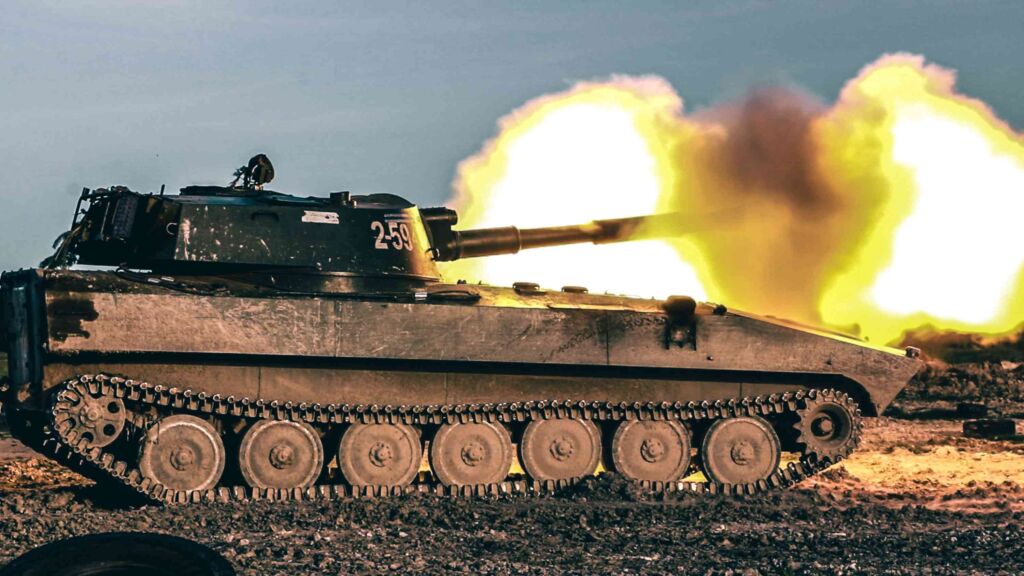
2S1 Gvozdika
Artillery
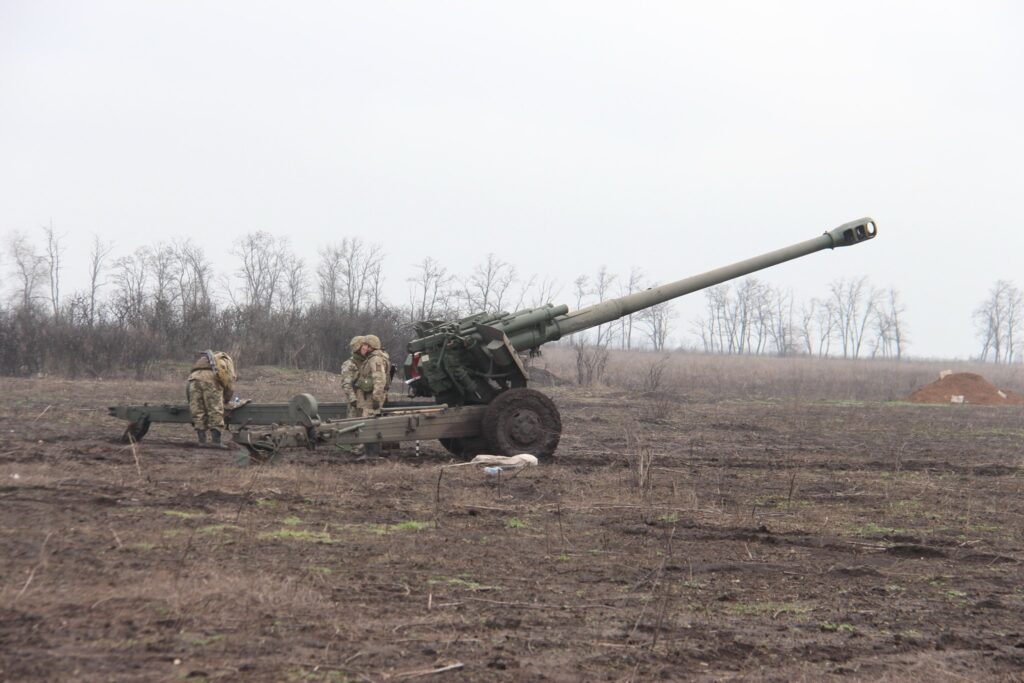
2A65 Msta-B
Towed Artillery
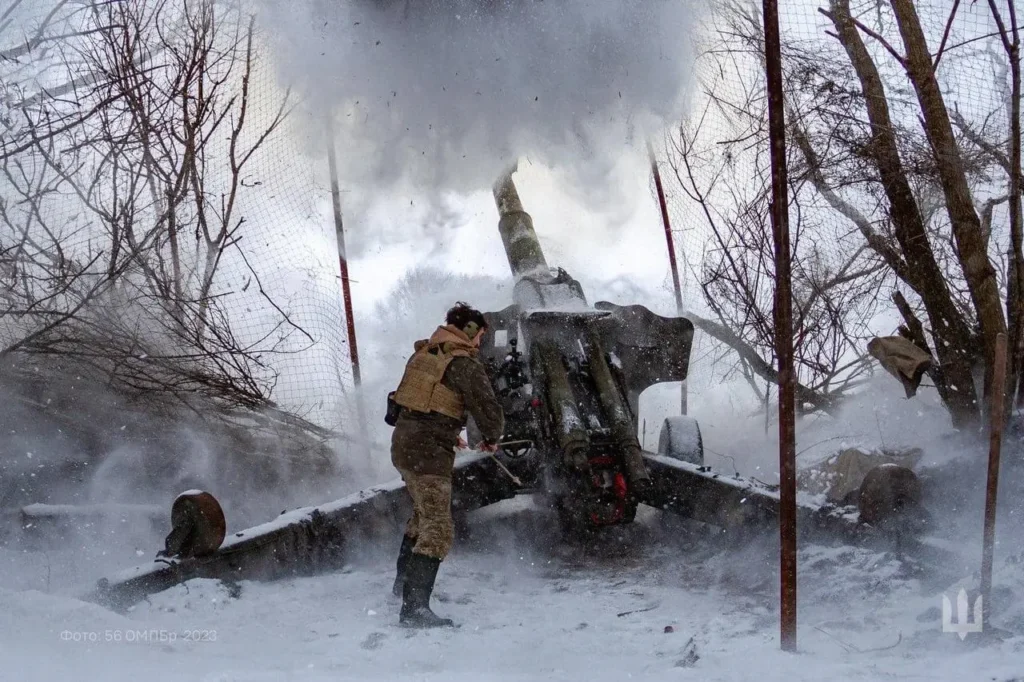
D-20
Towed Artillery

MT-12 Rapira
Towed Artillery


OTO Melara Mod 56
Towed Artillery
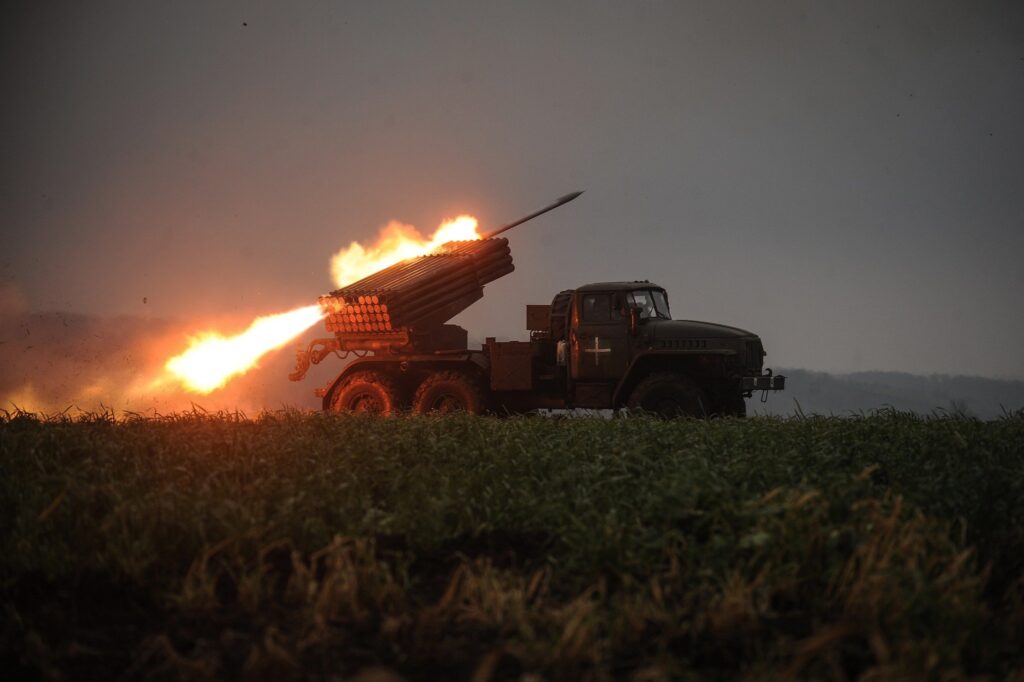
BM-21 Grad
Rocket Artillery
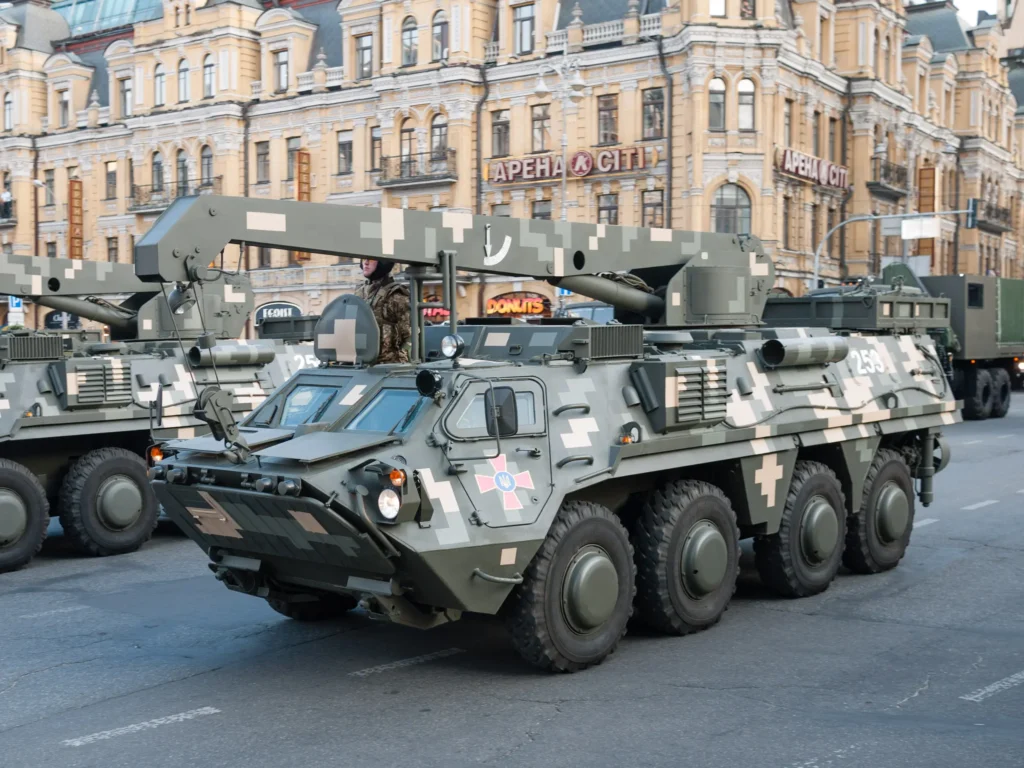
BREM-4K
Support Vehicle

First variant, 2023 – 2025

Second variant, 2025 – Today
This page was created on February 4, 2023, and last edited on August 8, 2026.